
The case for making 'meaningful career experiences' the new quiet quitting

When I launched Workthrough’s website last week, it officially marked the beginning of something big. I have always envisioned myself as an entrepreneur, and realizing my dream feels surreal. So a big thank you to everyone supporting me and spreading the word about us! 🤗
The purpose of Workthrough is to transform career development in the workplace. Workthrough was founded on the belief that everyone deserves meaningful career experiences. But as I’m building this company and meeting with HR leaders, I’m discovering that the phrase meaningful career experiences is not as popular as I’d thought. Well, good thing I am here to popularize it. But to make meaningful career experiences, the new quiet quitting, I should explain what meaningful career experiences mean. Meaningful career experiences are the sum of positive inflection moments that occurs at various points in one’s career within the workplace. Here are some examples of this.
You learned and applied a new skill at work.
You stepped out of your professional comfort zone by leading a big presentation.
Your manager advocated for your promotion (and raise).
You discovered that you enjoy sales because all it took was finding the right work environment with resources and support.
Positive inflection moments can meaningfully shape one’s career journey. But living on the other side of them are negative moments. Let’s turn the positive examples into negative ones to illustrate the difference.
You aren’t learning new skills at work.
You don’t feel safe and supported enough to put yourself and tackle the challenge of leading a big presentation.
Your manager consistently overlooks you for growth opportunities.
You previously excelled in sales roles, but your current work environment, unreasonable targets, blame culture, and lack of support and resources make you feel that you’re not good at your job.
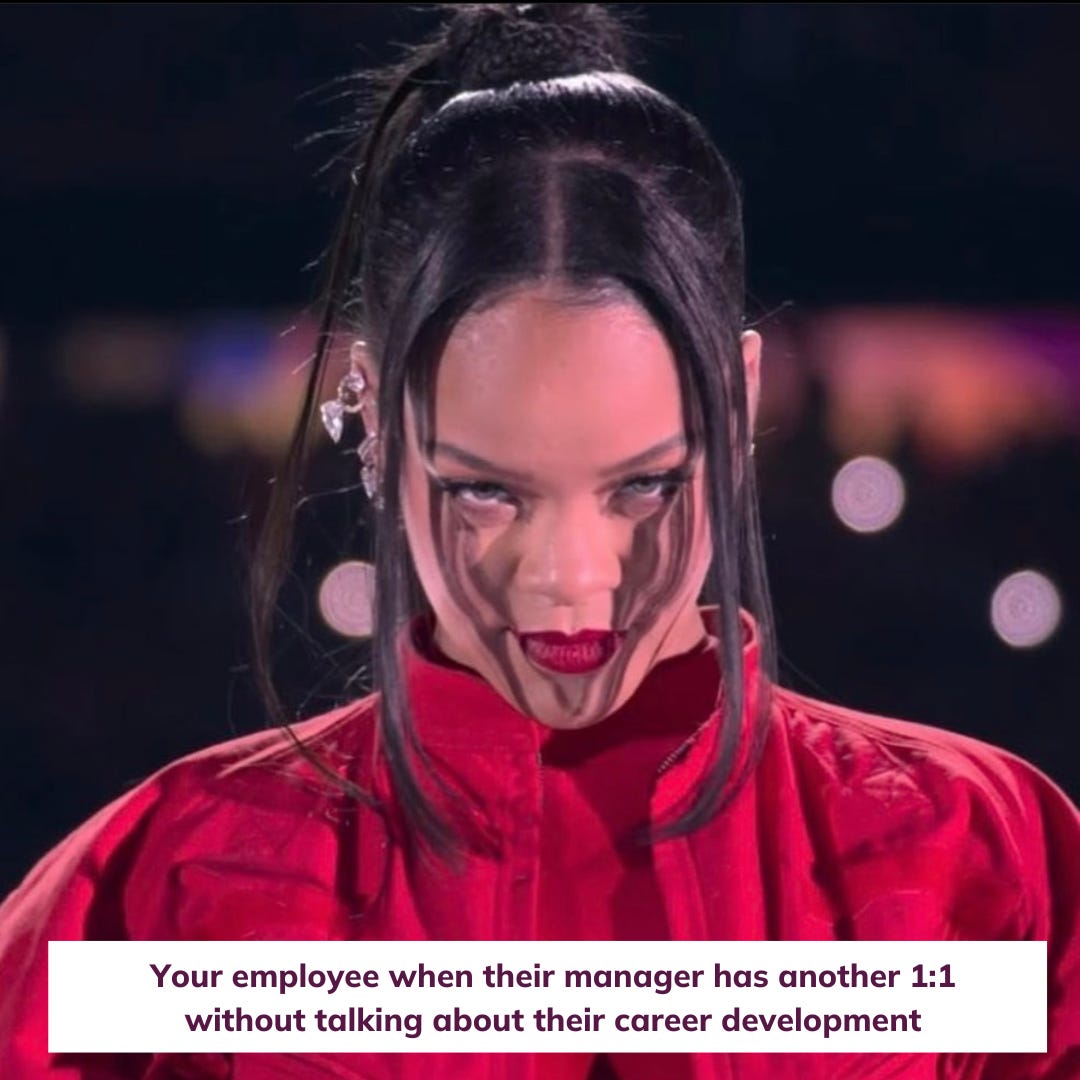
Negative inflection moments can destroy a person’s career journey as quickly as positive moments can shape it. That is why organizations must prioritize creating meaningful career experiences for their employees. Now, you might think this work is already happening through workplace experience priorities. To an extent, yes. However, workplace experience is different than career experiences. Envoy describes workplaces experience as:
“...a holistic approach to creating an optimal environment for employees to do their work. It is made up of three core components: space – the physical surroundings in which employees do their work; technology – the systems and tools employees use to do their jobs and people – the relationships, policies, and cultural standards that impact how work is done.”
Based on this definition, a lot is riding on providing a great work experience. Organizations need a strong workplace experience to maintain their ability to hire and retain employees, design inclusive well-being practices and foster healthy productivity. By integrating teams and individuals to specialize in areas that impact the workplace experience, such as DEI (diversity, equity and inclusion), Learning & Development, Workforce Management and People and Culture, workplaces can achieve the impact they desire. However, teams dedicated to designing meaningful career experiences are rarely part of the equation. Career development projects are often integrated with Learning & Development and People and Culture teams. And this is where the problem lies. It wasn’t too long ago that organizations realized that lumping DEI with the work of People and Culture teams doesn’t yield favourable results. They had to make the critical decision to invest in DEI by hiring individuals with specialized knowledge of diversity and inclusion practices. The same is required for career development.
Indeed, when your employees experience career progression in your organization, it is a byproduct of a great workplace experience. However, to improve your organization’s capacity to create meaningful career experiences, it will need to work with partners specializing in career development and hire career development practitioners. Relying solely on the promise of promotions is no longer realistic because not everyone wants to climb the ladder and move up. How people view their careers and what they want from life has evolved and will continue to shift. Career development needs and career conversations with employees are becoming increasingly complex. To move toward designing meaningful career experiences for your folks, start by asking these questions.
When was the last time we reviewed our employment lifecycle to identify barriers to career development? And who completed the review?
Do we have a career framework and philosophy that sets everyone up for success?
Are our managers trained in effective career conversations with their direct reports?
Does every employee have access to the tools they need to take ownership of their career development?
How do we leverage internal employee communications to deliver a consistent and clear message about career development in our organization?
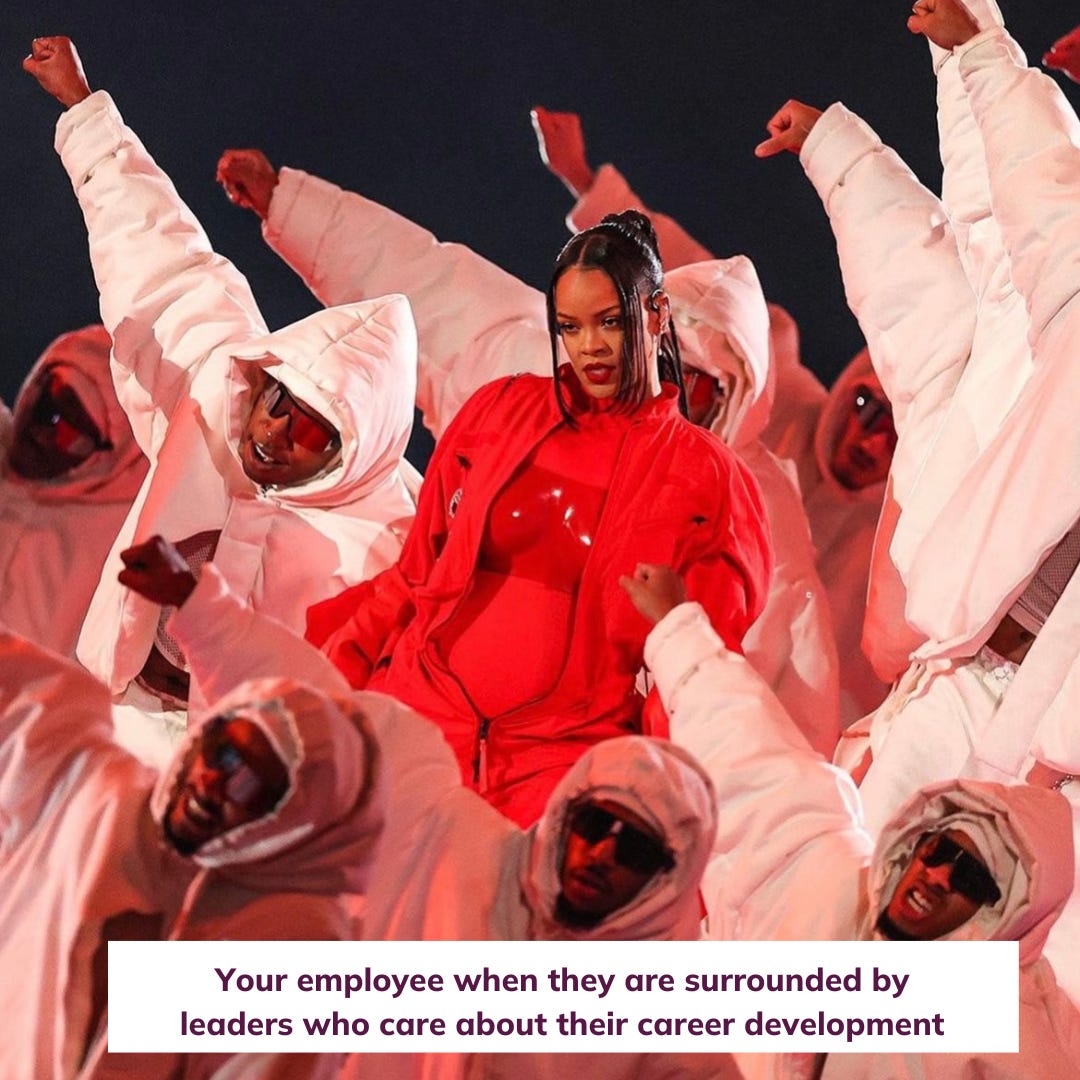
So why should you add creating meaningful career experiences to your workload? It’s simple. People deserve them. Your folks chose your organization for their careers, not your bottom line. If they help you increase revenue and profits, the human-centred thing to do is to provide employees with positive career experiences that they want to remember. It will do more good than harm for your organization and possibly make quiet quitting a thing of the past.
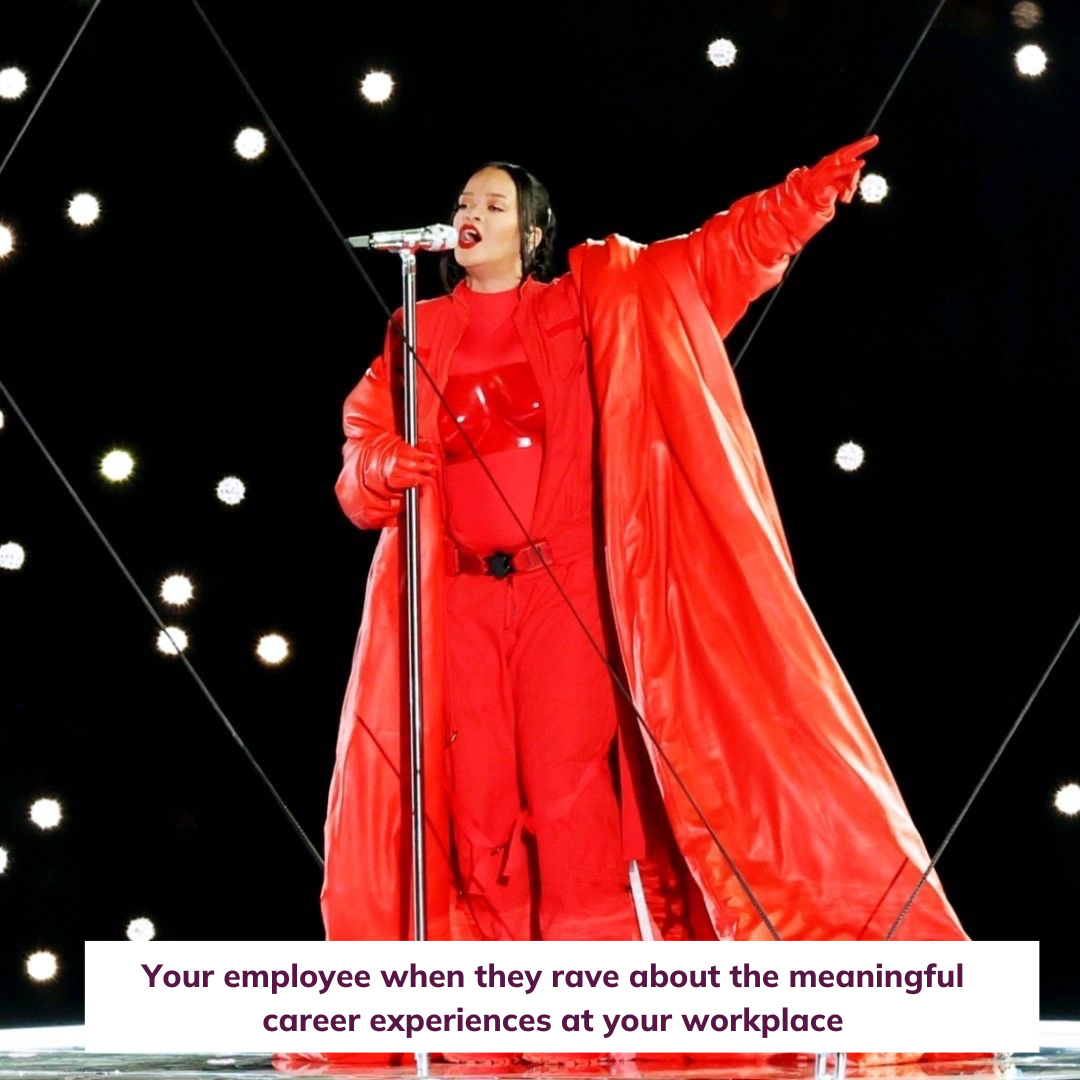
Need help with this or other areas of workplace career development? Email hello@workthrough.ca to get in touch, or visit workthrough.ca to learn how we can help.